articles
Portuguese Food on the Go – Ready Meals
The last week has been frantic. I took on a little more work than I could really manage, with the result that meals were delayed and skipped while I sat tapping away at my laptop. My plans to spend hours in the kitchen experimenting with Portuguese desserts had to be shelved, but the week was not entirely lost food-wise, as I got to try out a very different kind of Portuguese food – ready meals.
This was not the first time I’ve tried a Portuguese ready meal (arroz de pato was one of the first ones I tried), but for the most part I have actively avoided them since moving here, as one of the reasons behind our move was to achieve a more balanced and healthy diet, using fresh, local ingredients. This week, all that changed and we loaded up the shopping basket with a selection of ready meals from Continente’s Fácil e Bom chiller cabinet selection.
We began by comparing two of the lasagnes, which with their peel-off-film-and-stick-in-oven approach were perfect for a rushed dinner. The pork mince lasagne was not very exciting. There wasn’t anything wrong with it, but there wasn’t anything exciting about it either – it was just a bog-standard pasta dish that served the purpose of stopping me from being hungry. The chicken and leek lasagne, on the other hand, was very good. It was full of flavour and had a lovely rich, creamy sauce. It is something that I would be happy to have in the fridge to tuck into for lunch on busy days.
Our next item from the ready meal section was a vacuum-sealed packet of what appeared to be English sausage rolls. As sausage rolls are one of the foods we tend to crave from time to time, we couldn’t help but give them a try. They turned out to be at once similar and dissimilar to their English counterparts. The flaky pastry was beautifully golden, but the sausage meat inside had quite an intense smoky flavour, similar to farinheira, which is a Portuguese smoked sausage made from flour, pork fat and seasoning (and can be served as a kind of hot pâté – more on that some other time!). Although they sausage rolls were a little smoky for my taste, my husband very much enjoyed them dunked in mustard.
Another main meal that we tried was prawn feijoada (a kind of Portuguese bean stew that I recently learned to cook myself). This ready meal required plonking into a pan and sizzling it until it was hot – nice and easy to cook when you don’t have time to make a ‘proper’ dinner. The feijoada contained a generous helping of prawns, along with a few pieces of what seemed to be surimi, all mixed up in a pleasant-smelling beany sauce. As with the chicken and leek lasagne, the result was surprisingly good and again this is something that I would happily keep in the fridge as an emergency meal.
Our other discovery this week, which deserves a mention at this point, is Continente’s own brand frozen garlic bread slices. These individual little round baguette slices are loaded with butter and garlic and perfect to keep in the freezer to accompany a quick pasta meal. The fact that they are individual slices is perfect, as you don’t have to cook a whole baguette and then waste it if you can’t eat it all. One bag is big enough for three meals and at just €2.29 I think it’s safe to say that we will always keep some of these in the freezer from now on.
Of course I will still enjoy spending hours in the kitchen cooking delicious Portuguese food and my own freshly made garlic bread whenever I can, but it’s good to know that there are some decent and relatively inexpensive alternatives available for when time is short.
Portuguese Fresh Bread
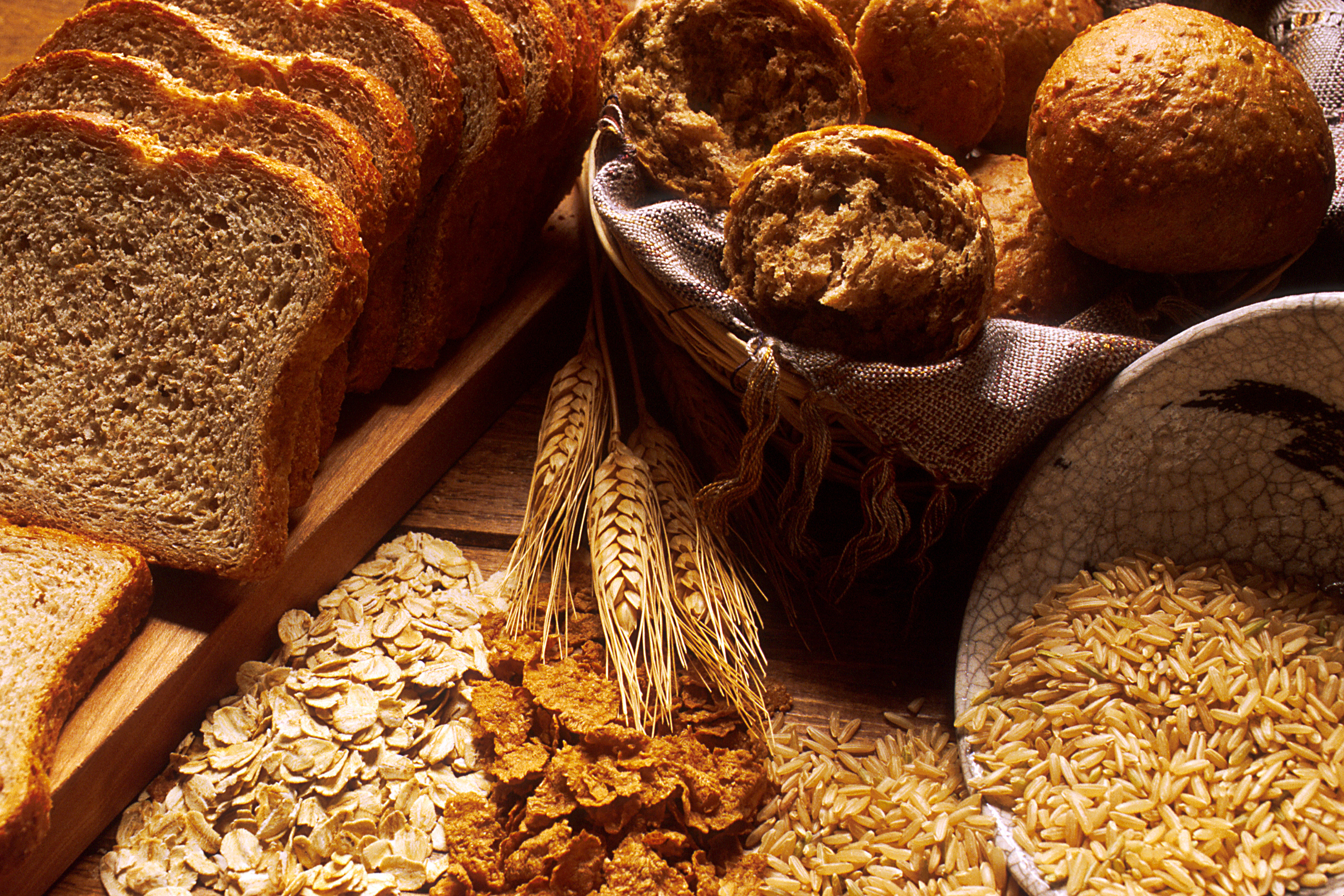
Fresh bread is an important part of the Portuguese diet. It’s also something that I have become rather obsessed with since moving here.
The range of breads available in Portugal is enormous. Our local shop, which is equivalent in size to something like a Londis shop or Spar in England, bakes nine kinds of bread and rolls daily. It also sells two different sorts of loaves and three different kinds of rolls from nearby local bakeries. A small range of pre-packed sliced bread and burger buns is available too, but as they cost far more than the freshly baked bread and taste far less good, I’m not going to refer further to them in this article.
I’ve always loved bread. As a child one of my favourite snacks was a slice of bread dipped in salad cream, but it wasn’t until I moved to Portugal that I began to appreciate the variety of textures and flavours that fresh bread can provide.
Bread is particularly important to the Portuguese diet. It is cheap, filling and versatile. When it begins to go stale – and fresh bread here does tend to go stale pretty fast, usually within 24 hours of being baked – it is used to make dishes such as açorda, a thick, creamy bread-based stew.
Corn bread, soda bread, tiny cheesy rolls, dark rye bread, bread with grains on top, bread with fruit baked into it – the list of fresh breads in Portugal is seemingly endless. One of my favourites is pão com chouriço, little rolls with slices of chouriço baked into them. Pão com torresmos is equally good, but features torresmos (like soft pork scratchings) baked into the bread instead of the chouriço.
Another of my favourites is pão do céu – a light, almost cake-like bread. The version I prefer has a lovely delicate coconut undertone and is perfect eaten just on its own or smothered with a dark berry jam.
Such is the Portuguese love of bread that an enterprising chap in our village decided to sell it out of the back of a van. Every weekday he parks at the end of our road, puts a sign in the van window saying ‘pão quente’ (hot bread) and waits for customers. They come in droves, stopping on their way home from work to stock up on loaves, rolls and pão com chouriço still warm from the oven.
Portugal’s different regions all have their own styles and specialities of bread, so despite having lived here for over three years I still haven’t managed to sample it all. I’m going to try my best to do so over the coming years though, which no doubt will only serve to further my obsession with Portuguese fresh bread!
Image credits: Wikimedia
The A to Z of Portuguese Food – Part 3
G if for Grão-de-bico
Grão-de-bico is what the Portuguese call chickpeas (literally ‘grain of beak’). This cheap and filling ingredient can be picked up in the supermarket for around €0.50 for a big jar and in these times of austerity chickpeas are clearly an attractive option.
Chickpeas have changed from being an ingredient I rarely used in England to something that I always keep a stash of in the cupboard. Used to make hummus, soups, salads and more, these grains are super healthy and provide a lovely creamy texture.
H is for honey
Before moving to Portugal I thought that honey (mel in Portuguese) was just honey. Here I have found out that it is something to be celebrated. All summer, local market stalls cross the Algarve selling their wares and a honey stall is always a fixture. It’s something you can pick up at most local food markets and is available in cute little pots for tourists to take home with them.
Jars are labelled according to the flowers that the bees that made the honey have feasted on. We’re currently on rosemary honey, which I’m drizzling generously over my porridge in the mornings to fight off the winter chill. We bought it for inclusion in a recipe and, being a diligent (if not very good) cook, I tasted a little before using it. The rich, sweet flavour was so special that I made my husband have a taste too, plus helped myself to another couple of cheeky spoonfuls.
Other honey flavours available locally include heather, sugarcane, eucalyptus and orange. Based on how good our rosemary honey is, I can’t wait to try the rest.
I is for iogurte
Yoghurt (iogurte) in Portugal is big business. The yoghurts and yoghurt drinks take up the whole side of an aisle in most supermarkets, with a range of fruity and dessert-type flavours similar to that in the UK. The key difference is that here most yoghurt is set, rather than creamy. If you’re after an English-style creamy yoghurt go for cremosa rather than just iogurte. Or do what I do and buy a set yoghurt then stir it up with your spoon before eating it
Bio-type yoghurt with ‘good’ bacteria, plain yoghurt and Greek-style yoghurt are all available, but tend to be sweeter than those in the UK, particularly the Greek yoghurt. Yoghurt drinks also tend to be sweet, with flavours including strawberry cheesecake and pina colada.
The one thing that is almost impossible to get hold of in the Portuguese yoghurt world, unless you plan a trip to the English supermarket, is fat free yoghurt. Essential for any WeightWatchers recipe and something that I used to eat on fruit for breakfast most days, fat free or virtually fat free yoghurts don’t seem to be something which have captured the attention of the nation here. Although I do occasionally miss my fat free yoghurt and blueberry breakfasts, I have to admit that the sensible Portuguese attitude towards body shape makes for a much happier overall outlook on life!
Image credit: publicdomainimage, fotopedia
Comparison of Spanish Food and Portuguese Food
We popped to Spain late last week to do a spot of food shopping. We only live a short drive away from the Spanish border, so this is something that we do every couple of months. The trip got me thinking about the differences between Spanish food and Portuguese food.
There are some distinct similarities between the two cultures’ cuisines, but also some notable differences. Both countries’ diets have a heavy focus on seafood, with squid and shellfish dishes in abundance. Portugal’s love of bacalhau (salted cod fish) far overshadows that of its Spanish neighbour, with a reputed 365 ways of serving bacalhau available in Portugal.
Both diets are rich in fresh, seasonal and locally available ingredients, accompanied by excellent local wines. Gourmet olive oils abound, along with a huge choice of chouriço and excellent local cheeses. Spanish tapas are mirrored by the Portuguese petiscos, which are small plates of individual dishes, often served in bars as an accompaniment to your drinks. They include a wide range of meat, fish and other delicacies.
The cuisine of Portugal, like that of Spain, originates largely from peasant food – hearty, rice-heavy dishes that are filling and cheap to create, such as paella in Spain and arroz de pato in Portugal. In both countries tomato and bean-based stews are common, although in modern times this is more in evidence in the Portuguese diet than the Spanish.
The use of herbs and spices is one of the distinctive differences between Spanish food and Portuguese. To me, saffron, paprika and parsley sum up the flavours of Spain, while piri piri (potent small chilli peppers), coriander and bay are what I associate with Portugal.
Both countries favour desserts that don’t spoil in hotter climates. Sadly this means that fresh cream cakes are something to which I no longer have much access, but this is more than made up for by the offerings of cinnamon-topped rice pudding, flan-type desserts, churros (long, flat deep-fried doughnuts) and caramel-custard creations.
Despite the similarities, the two countries’ cuisines are each distinctly their own, with ingredients prepared in different ways and using a different herb/spice palette. We’ve spent a fair amount of time in Spain since living so close, but it’s always the Portuguese food that appeals to us most. It was one of the things we loved when we first visited Portugal and that feeling hasn’t gone away.
A trip to the supermarket in Spain is always fun. On this occasion we had the joy of being lost in a random town for half an hour on the way and spent the journey back trying to puzzle out why tuna has become a security-tagged product – a sign of our recessionary times perhaps! Our cupboards are now bursting with Spanish olives, boquerones (white anchovies) and all sorts of other treats.
Although I find that a couple of days of eating Spanish food makes a nice change and we are now fully stocked with ingredients, the star feature of this week’s meals (if it works!) will be the Portuguese roast octopus that I will be attempting to cook tomorrow.
It seems that even with the cupboards full of Spanish food, I can’t resist cooking something Portuguese – it looks like we moved to the right country!
Which do you prefer – Spanish food or Portuguese food? Can you think of any other differences between the two cuisines? Leave us a comment to share your thoughts!
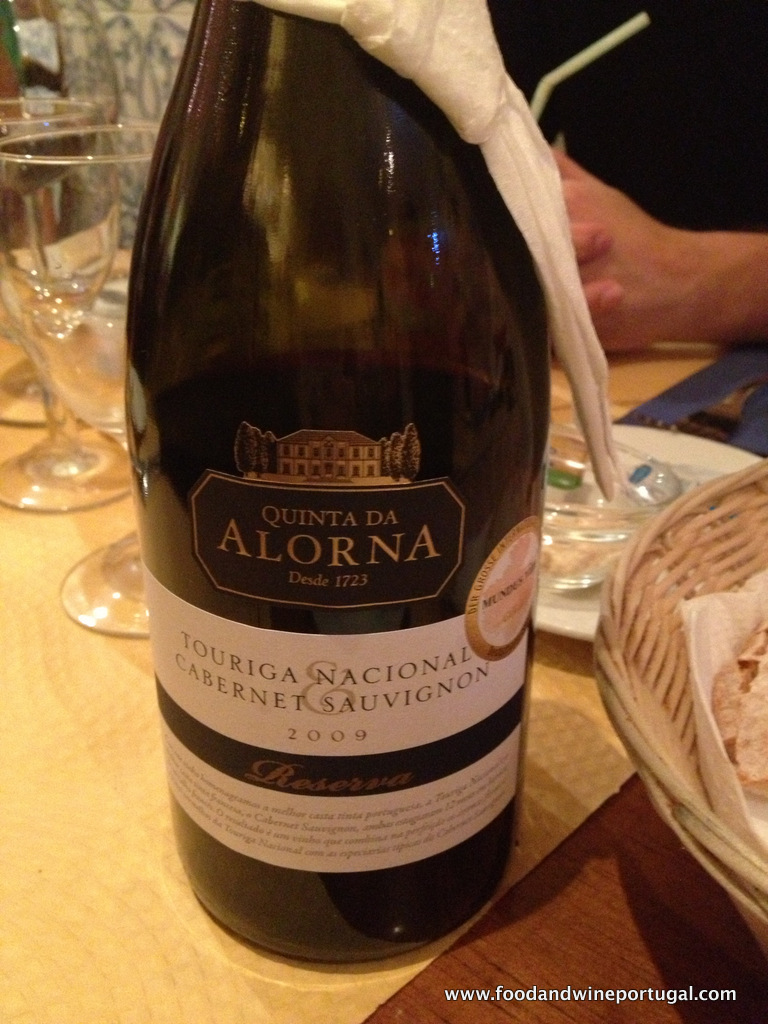
Port Wine
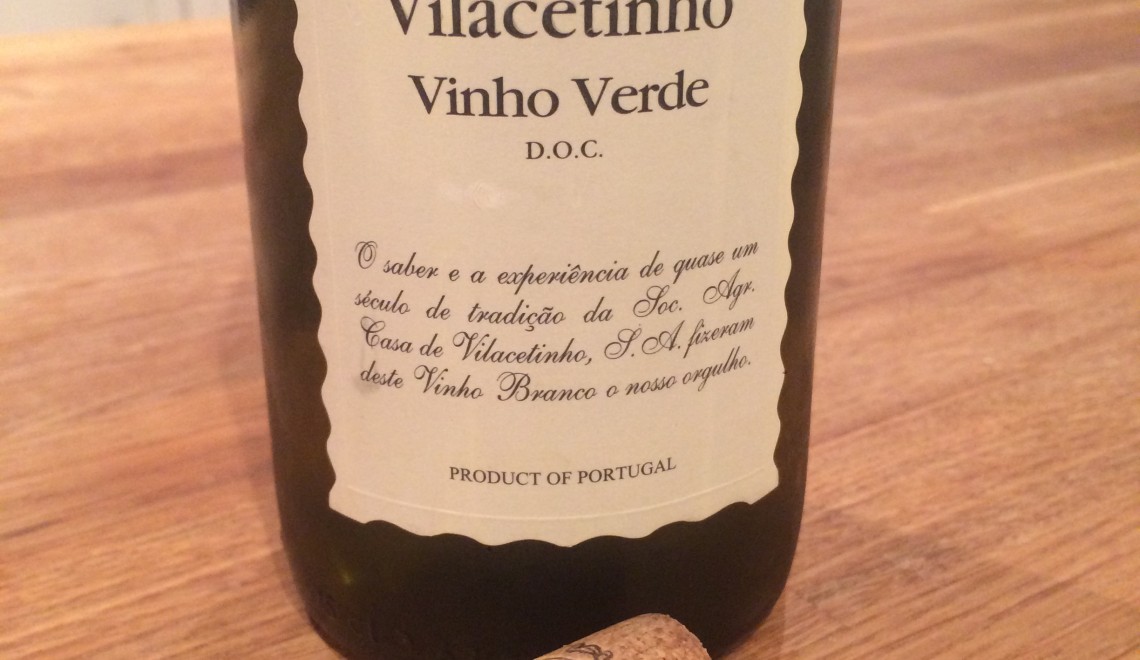
Portugal is famous across the world for its production of port wine, which is made in the vineyards of the country’s Douro region. Within Europe, only port from Portugal can be sold as port or Porto, though the restriction does not apply to the rest of the world.
Port is a fortified red wine which is traditionally drunk after dinner to accompany dessert. Restaurants in Portugal often offer a glass of port ‘on the house’ to diners at the end of a long meal.
Port comes in several varieties, with the most well-known being tawny port, ruby port and white port. As with any drink, prices and quality can vary, but the bottles I’ve tried (and I’ve tried a fair few since moving here) have all been good, even at the lower end of the price range.
Outside of Portugal, tawny and ruby port are the most popular choices, but within Portugal white port has a strong following and we’ve done our best to introduce many of our guests to it over the years. It’s perfect served chilled as an aperitif.
In 2008 a new contender entered the arena, with the launch of rose port. Although it hasn’t taken off in a big way yet, this lighter version of ruby port (both of which are made with red grapes) is delightfully refreshing and I would encourage anyone visiting Portugal to give it a try. Served with soda water and fresh raspberries, it makes a lovely summer alternative to Pimm’s.
An extensive range of vintage port (made from grapes of a declared vintage year) and crusted port (blended from several vintages) is available for those who want to truly taste the variety of port on offer.
Port makes a lovely present and can be picked up in any supermarket or wine shop in Portugal. Presentation boxes and prettily shaped bottles are readily available, so next time you are in Portugal, why not treat someone (or yourself!) to a bottle.
If you want to discover more about the wonderful range of drinks we have sampled in Portugal, why not check out our book:
Moving to Portugal: How a young couple started a new life in the sun – and how you could do the same
Image credit: Fotopedia
The A to Z of Portuguese Food – Part 2
D is for Doce
Doce in Portuguese means ‘sweet’ but it’s also the name for jam. One of the great parts of our move to Portugal is the fact that we now have time to make our own jams, pickles and preserves. My mother’s orchard provides plentiful fruit and so far we have made delicious jams with peaches, yellow plums and purple plums.
My favourite of our jam creations so far has to be fig jam, which we made when our neighbours surprised us with a huge plateful of figs. The figs were ripe to bursting, oozing sticky sweetness. They produced enough for two huge jars, which not only tasted delicious but looked pretty too, with the delicate little seeds suspended in the deep, rich red jam.
The range of jams in Portugal is huge. My favourite is pumpkin jam with walnuts – super sweet but with lovely crunchy walnut pieces in it. The supermarket jam shelf always has a range of marmalada as well – a kind of set jam without any bits. It tends to be quite intensely flavoured and I particularly recommend the raspberry one, which turns morning toast into an absolute delight.
E is for Espetada
Espetadas come in many shapes and forms. They are kebabs cooked over a hot grill with meat, fish or a combination of both.
In the Algarve, a common offering in touristy restaurants is espetada de tamboril com camarões – a giant skewer of bacon-wrapped monkfish chunks and giant prawns, which is usually brought to the table on its own stand and looks so impressive that most other diners instantly regret not choosing it for their own meals.
Espetadas are commonly found in restaurants in Madeira as well as in mainland Portugal. Chunks of beef are threaded onto either a metal skewer or a bay twig, which imparts some wonderful flavour to the chargrilled meat. They are served on a stand and you can help yourself a chunk at a time.
F is for Feijoada
Feijoada is a bean stew, regional variations of which can be found across Portugal. Early Portuguese explorers took the recipe with them across the world with the result that feijoada is now considered by many to be the national dish of Brazil.
In addition to the beans, feijoada can contain pretty much anything. My first taste of it was an octopus feijoada in the pretty village of Santa Luzia, which is known as the octopus capital of the Algarve. The light, creamy beans blended beautifully with the chunks of soft, succulent octopus and with the first mouthful I became an instant feijoada convert.
The best feijoada I’ve tried to date was a delightfully velvety version packed with pork, chouriço and other tasty bits and pieces at Casa Algarvia in the fishing village of Cabanas.
Feijoada is a perfect winter’s dish – delicious, filling and, as with many traditional Portuguese meals, very cheap to make. It’s next on my list of Portuguese food that I’m going to attempt to create at home – I’ll let you know how I get on!
Please check out our new book for lots of information about Portugal:
Moving to Portugal: How a young couple started a new life in the sun – and how you could do the same
Image credit: Fotopedia
The A to Z of Portuguese Food – Part 1
If you read my Moving to Portugal blog, you’ll be aware that, this year, I joined in with a “Portugal A to Z” project. My wife thought it might be fun to do one for Food and Wine Portugal.
My response was something along the lines of “go on then.” So, here we have the first part of her A to Z of Portuguese food and drink.
A is for arroz
As a child, I never ate rice (arroz). In fact, I grew up thinking that I hated it. Since moving to Portugal I’ve realised just how wrong I was.
Rice is a staple part of the Portuguese diet – it’s cheap, filling and works beautifully when flavoured with tomato and onion. It’s commonly found on the side of a plate of meat, often occupying the space where as an English person you might expect to find a serving of vegetables.
It’s the dishes with rice as the main ingredient where it truly comes into its own. From arroz de pato (duck rice) to arroz de tamboril (monkfish rice), these Portuguese classics take very simple ingredients and turn them into uniquely Portuguese culinary delights.
B is for bacalhau
The Portuguese love bacalhau (salted cod fish). It can be found stacked in the supermarkets, ready to be bought, taken home and slowly de-salted in oft-changed pails of water over a number of days. Once free of salt, it’s cooked in any number of ways – there are reported to be as many bacalhau recipes in Portugal as there are days of the year.
In December, the bacalhau in the supermarkets is tied with pretty ribbons around the tails, ready to be taken home and made into bacalhau da Consoada (Eve’s cod) on Christmas Eve, as the centre piece of the Portuguese family feast that traditionally takes place on that date.
Although I haven’t yet tried all 365 recipes, the bacalhau I have tried has always been delicious, whether cooked with shredded potatoes and eggs in bacalhau à Brás, cooked as a simple fillet or baked with cream (bacalhau com natas).
C is for conquilhas
Conquilhas (cockles) are another food that I didn’t eat before moving to Portugal. My husband would bravely fight off the seagulls to eat the little pots of them on sale at the seaside, but a container of cold, ugly-looking chewy things simply didn’t appeal to me.
We ate one of our first meals in Portugal in a tiny café in the village of Santa Luzia. We wanted clams. They didn’t have any, but the waitress said she would bring us some cockles instead. I was apprehensive, but full of the sense of adventure that moving to a new country brings, so figured I would at least nibble one before making my husband eat the rest.
The plate of food that arrived could not have been more of a surprise. Hundreds of delicate little shells were piled into a heap, tempting us with their tasty-looking contents while clouds of garlicky, winey, buttery steam made my stomach rumble. A few thick lemons wedges and slices of crusty Portuguese bread were all that was needed to complete the dish. I liked them so much that, as the plate began to empty, I resorted to the rather underhand tactic of hiding them under my bread to ensure I got the last few.
Conquilhas have since become a routine part of our summer diet – no trip to the beach would be complete without slurping our way through a plate of them. I’m still too nervous about my cooking abilities to buy the live ones from the old man with the bucket who stands outside the supermarket, but I’m sure it won’t be long before I pluck up the courage.
Please check out our new book for lots of information about Portugal:
Moving to Portugal: How a young couple started a new life in the sun – and how you could do the same
Making Gifts with Seasonal Portuguese Produce
This Christmas will be our fourth since moving to Portugal. Our improved work/life balance means that we have been able to develop traditions since moving here that we never had time for in England.
One of these newly founded traditions is the making of food gifts as Christmas presents for our nearest and dearest. As the big day approaches the wife will disappear into the kitchen in a frenzy of mince pie and gingerbread-producing activity, but at this time of year it’s all about the vegetables.
Our local market provides fruit and vegetables in abundance and – if you know which stalls to go to – at a much lower cost than the supermarkets. Last week our €8.95 trip bought us three large bags bursting with fresh, seasonal produce. Our haul included mangoes, avocadoes, a cauliflower and a whole host of other items. We even managed to get hold of a small cluster of sprouts (to my delight and the wife’s dismay).
With our giant stash of produce, we set about making chutney, turning the dining room table into an industrial-scale chopping station. We made two types: a spicy tomato, and a tamer version with courgette. After hours of bubbling delightfully on the stove, and a few sneaky tastes in the name of quality control, we popped them into sterilised Kilner jars ready for storage until Christmas.
We also had our first attempt at making piccalilli (recipe below).
Now all we have to do is leave our collection of treats in a dark cupboard, ready to be brought out and decorated with pretty bows and ribbons on Christmas Eve. This is wonderful way to celebrate the flavours of seasonal fruit and vegetables and to make thoughtful gifts that don’t break the bank. The only difficult part is resisting the temptation to open the jars and scoff the lot ourselves before Christmas arrives!
Christmas Piccalilli
We found a recipe on the River Cottage website and adapted it slightly to suit our personal tastes, plus we used Algarve sea salt to make it a little more Portuguese.
Ingredients:
- 2kg vegetables – we chose cauliflower, radishes, courgettes, cucumber, tomatoes, carrots and onion
- 100g local Algarve sea salt
- 60g cornflour
- 3 tsp ground turmeric
- 3 tsp English mustard powder
- 3 tsp ground ginger
- 1 tbsp yellow mustard seeds
- 2 tsp crushed cumin seeds
- 2 tsp crushed coriander seeds
- 1.2 litres cider vinegar
- 200g white granulated sugar (less than the original recipe suggests)
- 100g honey
Recipe:
1. Wash, dry, peel and chop the veg until you have a large bowlful of bite-size chunks. Place in a colander, cover with the salt, stir, then leave sitting under a tea towel for at least 24 hours before rinsing several times with ice-cold water and draining.
2. Use a little of the vinegar to make a paste with the cornflour, turmeric, mustard powder, ginger, mustard seeds, cumin and coriander.
3. In a pan, boil the remaining vinegar with the sugar and honey, then add the spice paste and boil for 3-4 minutes, stirring well.
4. Pour the sauce and vegetables into a large bowl and mix well.
5. Divide the piccalilli into sterilised jars and leave for six weeks.
Please check out our new book for lots of information about Christmas in Portugal:
Moving to Portugal: How a young couple started a new life in the sun – and how you could do the same
Arroz de Pato – Portuguese Duck Rice
The other day, I was at a lunch with a number of other expats, several of whom could be fairly described as “foodies.”
One of them asked me my favourite Portuguese dish. She seemed a little disappointed with my response, perhaps because it wasn’t something very exciting.
I chose arroz de pato – Portuguese duck rice.
The usual place to find arroz de pato is in the small “hole-in-the-wall” style local takeaways that you find all over the Algarve.
There’s nothing remotely complicated about arroz de pato – it is simply rice, cooked up with shredded duck, a couple of chunks of chorizo and sometimes the odd lump of pork or bacon. The success of the dish is, I think, in the detail. The rice should be agulha (please correct me if I’m wrong), which seems to be somewhere between long-grain rice and the short Arborio rice used in risotto.
The rice is clearly cooked in a good, rich stock, and the flavour is enhanced by a good few drops of piri piri sauce.
It’s perfect, rustic comfort food and also, strangely, a suitable substitute when I might (in the UK) have grabbed a Chinese special fried rice.
I haven’t yet made an arroz de pato, even though some supermarkets have recently started selling pre-shredded duck along with a big sachet of duck stock. Continente have also recently begun to sell a ready-meal variation which is strangely agreeable (despite the unnecessary inclusion of carrots), though no substitute for the huge containers-full we buy at our local takeaway.
If you find yourself in Portugal and fancy a quick and easy lunch, keep an eye out for arroz de pato on the specials board. Splash on some piri piri, watch out for little bones (this is, after all, a rustic dish), and enjoy!
Arroz de pato was part of the very first meal we enjoyed on the day we began our new life in Portugal. You can read about our first years here in our new book:
Moving to Portugal: How a young couple started a new life in the sun – and how you could do the same
Cookery Classes at Vila Vita Parc
Last week, my wife and I enjoyed a wonderful day in Porches, at the launch of some new Portuguese cookery master classes at the Vila Vita Parc resort.
For those not in the know, the Vila Vita is a huge five-star resort and one of the “Leading Hotels of the World.” It boasts, amongst many other things, over 54 acres of grounds, a private beach, accommodation ranging from suites to butler-serviced villas and one of only two restaurants in the Algarve with two Michelin stars.
The day started with fresh juice, coffee and pasteis de nata and a quick glance off the hotel terrace towards one of the Vila Vita’s many stunning fountains. After being introduced to executive chef Paulo Fortes, we set off for Portimao fish market.
We were introduced to the resort’s fish supplier and Paulo was patient in answering all of our questions. All the fish on the stall was sparkling fresh and our appetites began to build.
Back at the hotel, we walked out to the kitchens of the Atlântico restaurant via the resort’s opulent grounds. After soft drinks, we were provided with aprons and chef hats, and the cookery lesson began.
Our dish for the day was a monkfish noodle stew, prepared with two monkfish procured from the market. After showing us how to fillet them (and making it look laughably easy), Paulo assigned tasks to eager volunteers, but with no pressure on those who preferred to watch. My garlic chopping skills left much to be desired compared to those of a professional chef, but the fact my fingers remained attached was triumph enough for me.
While our monkfish noodle stew took shape, we noticed the sous chefs preparing a stunning tapas feast, which we were delighted to find was intended to form the starter for our meal (I think several of us may have been devastated if it hadn’t been!)
With the cooking done, we headed for the restaurant’s breathtaking terrace to enjoy our meal, complete with unobtrusive and accomplished silver service.
The tapas starters were divine, with an octopus carpaccio, complete with incredible baby tomatoes, worthy of a particular mention. Our monkfish stew was a success – more delicate in flavour than I might have expected, leaving plenty of room for the character of the fish to come through.
Dessert was a creamy, fig cheesecake-based concoction that seemed to be greatly enjoyed by all, and by the time the coffee came round, everyone around the table looked decidedly content with their cookery day.
As well as the fish cookery day we experienced, the Vila Vita is also running an afternoon and evening event at its German Biergarten. The classes start at 85€ per person, which I sincerely believe offers great value. In fact, I already have a couple of relatives in mind that may find themselves attending shortly after Christmas. I think I’ll probably want to go back with them.
The resort’s website can be found here.
Love Portugal? We didn’t just move here, we wrote the book on it! Find it here:
Moving to Portugal: How a young couple started a new life in the sun – and how you could do the same