Restaurant Review – Pizza Pazza, Pedralva, Vila do Bispo
While staying at the Aldeia da Pedralva tourist resort near Vila da Bispo a couple of weeks ago, we decided to try out the on-site pizza restaurant, Pizza Pazza. We were advised to reserve a table due to the restaurant’s popularity, which turned out to be good advice as when we arrived our reserved table was the only one with space at it.
The restaurant itself was delightfully quirky, with an eclectic collection of knickknacks covering the walls and shelves. The staff were friendly, helpful and efficient, creating a lively and fun atmosphere which added to the overall ambience of the place.
We started with garlic bread, which was thin and crispy and made the perfect introduction to the meal. We also tried the house wine, which the waiter assured us was a special wine which would not cause a hangover the next day (and which surprisingly turned out to be true!).
The pizza menu was extensive, with a range of options wide enough to suit all tastes. The pasta menu was somewhat smaller, with just three dishes, but the one that I tried – oven-baked seafood pasta in a light, creamy sauce – was absolutely delicious. Cooked to perfection and with a lovely, delicate flavour, it was served with crusty bread to mop up the last of the sauce.
As well as the pasta we shared a salami, olive and onion pizza, which was really good and generously topped. We also indulged in a tiramisu for dessert and although already full, polished off the lot. I’ve eaten a fair amount of tiramisu over the years, but this was definitely one of the best that I’ve tried.
Overall this was a fantastic meal, made even better by the unusual setting. The owner informed us that the clientele ranges from passing hippies to Prince William, who apparently tried out the cuisine there whilst on a surfing holiday. It’s a great little place and well worth making a trip to it if you happen to be nearby – just make sure to book in advance to ensure you get a table!
Restaurant Review – Sítio da Pedralva, Pedralva, Vila do Bispo
We tried out the Sítio da Pedralva restaurant a couple of weeks ago, while staying at the Aldeia da Pedralva tourist village, as mentioned on our sister blog Moving to Portugal. I have to admit to being a little sceptical – as Sítio da Pedralva has a captive audience of tourists staying at the village, my expectations were not hugely high. It was particularly delightful, therefore, to have my assumptions destroyed by such a fabulous meal.
Sítio da Pedralva is a small venue, seating perhaps 25 or 30 people in total. It is at once simple and quirky in its décor, with artfully mismatched colours chosen for the place settings, upon gleaming white tablecloths.
The wine list was an interesting experience. We have spent some years familiarising ourselves with the staple Portuguese wines that one might expect to find on offer in a restaurant. On Sítio da Pedralva’s wine list, we recognised only one bottle. We referred to the waitress for a recommendation and were presented with a lovely bottle of white wine called Catarina from Setúbal. Light and fruity, it went perfectly with our couvert.
The couvert was a step above the ordinary. The olives were particularly good, while the delicate, herb-crusted cheese with a drizzle of red berry jus was delicious. A small helping of farinheira (a traditional Portuguese smoked sausage) made an excellent addition.
After such a good start we were eager for our main course. I chose lamb chops, which were excellent – perfectly cooked and with a lovely serving of olive-flecked crushed potatoes. In true Portuguese main course style, there was not a vegetable in sight. My husband ordered octopus rice. Although beautifully cooked and presented, it was perhaps lacking the depth of flavour of my own choice of meal, leading to a minor case of plate-envy.
We had skipped starters in order to have room for dessert, which turned out to be a very good decision. My husband went for the iced chocolate mousse, which was a nice twist on the standard chocolate mousse which is ubiquitous across Portugal. Rich in flavour, it had a melt-in-the-mouth texture, offset by a scattering of crunchy nuts across the top. I chose almond tart, which was light, flaky and packed with chewy, crunchy, almond-y deliciousness.
The service was excellent – the food arrived promptly and the waitress was on hand whenever we needed her, while managing to remain unobtrusive the rest of the time. A wonderful meal overall – this is definitely a restaurant that we will visit again next time we are in the area.
Restaurant Review – Pizzaria Atlantis, Cabanas
Pizzaria Atlantis was recommended to us by several friends as the next in our series of Portuguese restaurants to review. Situated on the riverfront in the pretty village of Cabanas, it has a large indoor area as well as a number of tables outside for lovely balmy Portuguese summer evenings.
We’ve tried a range of dishes and certainly haven’t been disappointed. The pizza is delicious and the thin crust makes a nice change from the deep-pan pizzas that seem to be ubiquitous in this area. There is a good range of choices on the menu and (purely in the spirit of undertaking a full review of course), we have worked our way through a fair number of them. Toppings are generous and I particularly liked the anchovy and capers combination.
The restaurant will also happily make up a pizza of your choice from their range of ingredients. When we asked for a chicken and pineapple pizza with chilli on, the result was a fabulously hot, spicy pizza, which was refreshing given the general aversion in Portugal to making really spicy dishes.
Good though the pizzas are, the real star of the show is Atlantis’ pastas. My personal favourite is the cheese ravioli, which is simple and delicious – very fresh and homemade tasting. The black spaghetti with seafood is also wonderful, full of flavour and packed with a generous helping of seafood.
The starters/sides that we have tried include a lovely, olive-topped bruschetta and a thin-crust garlic bread with rosemary. I’ve been racking my brains to find something to criticise about this place in order to give a balanced review, but the best I can come up with is that on occasion the garlic is unevenly distributed across the bread!
Despite it being relatively early in the summer for the tourist village of Cabanas, Pizzaria Atlantis is already packed most evenings, which is testament to the great food, friendly and efficient service and reasonable prices. Still, if you can’t get a seat the takeaway service is the perfect alternative.
The wine list offers a good selection. We tried a bottle of Mestro Franco red with our last pizza, which was the perfect accompaniment. There is also a varied selection of non-pizza and pasta dishes and, while we have yet to try everything on the menu, the salmon does deserve a mention.
Pizzaria Atlantis is an essential part of the local dining scene in Cabanas, offering fabulous food at affordable prices – very highly recommended.
Restaurant Review – Orangerie, Moncarapacho
This week we tried out one of the more expensive Portuguese restaurants in the area – the Orangerie at the luxurious Vila Monte golf and spa hotel in Moncarapacho. Nestled away in the countryside, it offers delightful views from its outdoor terrace, as well as a large indoor dining area. The vast, high-ceilinged venue encourages diners to speak in hushed tones, making this the perfect place for a quiet, romantic meal for two or for an upscale family occasion.
The Orangerie focuses on fresh, locally sourced ingredients, with dishes featuring a range of products grown organically on the estate, including herbs, citrus fruits, almonds and figs. The menu includes speciality dishes for two (which must be ordered in advance) and several set menus, as well as à la carte options. A children’s menu is also available, along with a range of vegetarian options.
The meal began with traditional Portuguese couvert of olives, bread and olive oil for dipping. The olive oil was rich and fruity and the waiter informed us that it was pressed in Moncarapacho from olives grown on the Vila Monte estate. It was followed by a complimentary amuse bouche – a sort of tuna paste nestled within a tomato, which served as a gentle introduction to the fabulous meal which was about to follow.
Our party tried numerous starters, including pea soup, mussel linguini and crab salad. The pea soup was the highlight – it was delicious and incredibly fresh-tasting. The mussel linguini was ok but a little under-seasoned and perhaps an overly large portion for a starter. The crab salad was also quite good, although the delicate taste of the crab was somewhat masked by the stronger flavours of the other ingredients on the plate.
Lime sorbet dusted with icing sugar was served before the main course, to cleanse our palettes. Our main courses included monkfish with potato yarn (a wonderful combination of textures as well as great flavours), black pork tenderloin (rich and delicious), a fish ‘symphony’ (light and cooked to perfection) and veal medallion (incredibly tender and the highlight of our mains).
The desserts, which curiously had to be ordered at the start of the meal, were served following a complimentary mini sweet of rich chocolate cake. The desserts were a triumph: the chocolate mousse served with olive oil was utterly delicious, the fig parfait was light and fruity and the citrus cheesecake with carob and almond base was intensely flavoured. The cheese board was large and came with homemade jam, walnuts, strawberries and grapes. It featured some lovely, creamy local cheeses, which combined with the fruit and jam to create a wonderfully sweet treat.
The meal was rounded off with coffee and complimentary petit fours – sticky carob morsels and dark, crunchy mini biscuits. The perfect end to an extremely good evening.
Overall this was a fabulous meal. The Orangerie is expensive (the cheapest main course is €20, while starters and desserts range from €8 to €15), so not somewhere where we will be dining often, but it makes a great venue for a birthday treat or other special occasion.
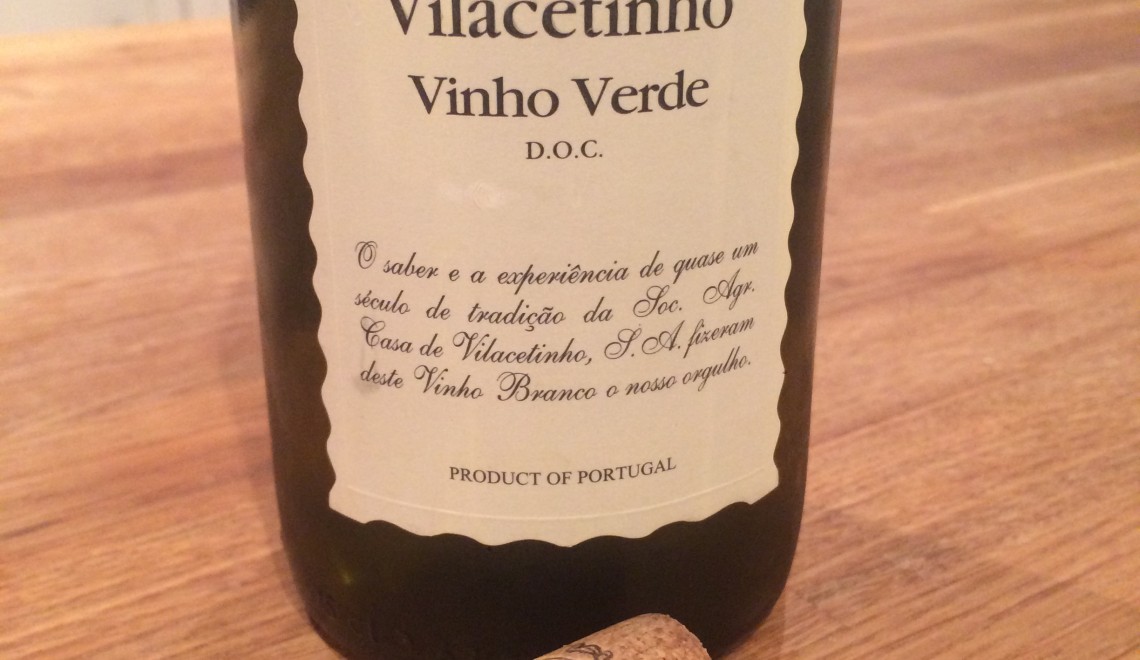
Vinho Verde Wine Review – Vales de Ambrães
Vinho Verde is a popular wine in Portugal. It is ‘green’ wine – a light, often slightly sparkling wine made from young grapes. It is the perfect accompaniment to fish, shellfish and other light dishes. It’s also a very refreshing wine to drink on lazy, long, sunny evenings.
We have a couple of favourite vinhos verdes but I realised it was well past time to broaden our wine horizons and try a new one. As Vales de Ambrães was on offer in our local supermarket, it seemed the perfect time to try it.
Sadly this was not one of the best vinhos verdes that I have sampled. With quite a heavy, fruity flavour, it was more intense than I expected from a traditional green wine. The bottle recommended it as an accompaniment to white meat and, while it may have been nice with a meal, as a wine to sit and sip on its own it felt a little too robust. It also lacked the slight sparkle that is a feature of most vinhos verdes, coming across as more of a white wine than a traditional green one.
Overall this wine was ok, but not one that I will be buying again. It was telling that of the two of us drinking it, neither of us felt inclined to finish our first glass. Quite simply, there are better vinho verde wines in Portugal for this price or less.
Price: €3.79 in Continente
Restaurant Review – Vert’in, Cabanas
The newly opened Vert’in restaurant and bar makes an excellent addition to the foodie scene in Cabanas in the Eastern Algarve. Tucked away on the sun-drenched courtyard of the Pomar housing development, Vert’in offers fabulous French/Portuguese food in a relaxing setting. Diners can choose to eat in the coolness of the crisp white and green interior or enjoy the weather with an outside table.
It being the first properly sunny day of the year, we choose to sit outside. Although we arrived a little late for a lunch sitting, the service was swift and attentive and two tables were quickly pulled together to seat our party of six.
The menu at Vert’in is impressive. As well as a long list of staple Portuguese main courses (including steaks, pork and a range of seafood dishes), the French owners had thought to include savoury and sweet crepes (to my delight), as well as a wide range of vegetarian options – something quite unusual for an Algarve restaurant.
Between the six of us we ordered steak (rare), black pork, Portuguese prawn curry, a cheeseburger and two savoury crepes (we went for warm goat’s cheese, walnut and honey), plus a couple of side dishes. Without exception the food was excellent. The steak was fabulously rare, the curry creamy and full of flavour and the cheeseburger and chips kept my nephew very happy. The black pork was delicious and it was nice to see that our waiter checked when we ordered it that we knew what to expect (as it was a very fatty cut, cooked slightly pink).
For me, the stand-out item was the crepe. With the perfect balance of goat’s cheese, nuts and honey it was an absolute delight. It’s going to be difficult for me to try anything else on the menu next time we go there, now that I know how great the crepes are!
Portions were generous enough that we had no room for dessert, but we returned a couple of hours later to try out a couple of items from the extensive dessert menu. The tarte tatin and gooey chocolate pudding were very well received and the desserts were good enough that my nephew ended up having two.
The price for our main meal was reasonable (€100 including tip for six of us, although that didn’t include our desserts).
A good range of cocktails is also available from Vert’in and the drinks are clearly made with as much pride as the food. They can make for an expensive night out, but sipping one slowly after dinner won’t break the bank. The kiwi margarita is particularly recommended!
It’s unusual for me to write a restaurant review that is so complementary, but we really did struggle to fault Vert’in. The food, drinks and service were all very good. The only tiny error was that one member of our party received a milky coffee after her meal instead of the black coffee she had ordered. Even then, it was replaced without hesitation and with an apology from three different members of staff.
Despite being the newest restaurant in Cabanas, Vert’in has already made its mark. We will definitely be back – and soon!
Portuguese Recipes – Arroz Doce
One of my favourite Portuguese desserts is arroz doce (rice pudding), so when a friend discovered it on the wonderful Sami’s Colourful World blog, I had to make sure this was the next in my series of Portuguese recipes.
Arroz doce is a very typical Portuguese dessert, found in the majority of restaurants. It is flavoured with cinnamon and can be eaten hot or cold. My first experience of it was when our Portuguese neighbours brought a large bowlful upstairs for us as a gift, as part of a wonderful international food gift exchange that we had going with them until they moved away.
The recipe below is reproduced from Sami’s blog, for which she has kindly granted permission. It is quick and easy to make and results in a wonderful, creamy dessert that we ate following Sunday dinner. As with many of the best and most traditional Portuguese dishes, arroz doce is extremely cheap to make. It uses store cupboard ingredients – the only thing I had to buy to make this was a single lemon.
The left over egg whites from this recipe can be used to make meringue – on this occasion my mother used them to make a delightful lemon meringue pie.
This is definitely one Portuguese recipe that will become one of my staples for entertaining family and friends.
Ingredients
125 gr short grain rice (I used risotto rice)
250ml water
Pinch of salt
1 stick cinnamon
Lemon rind strips
500ml milk
150 gr sugar
25gr butter
3 egg yolks
Grated lemon rind
Ground cinnamon
Recipe
1. Boil the rice in salted water for 10 minutes.
2. Warm the milk with the cinnamon stick and a few strips of lemon rind. Strain the rice and add the warm milk and simmer until rice is cooked.
3. Add the sugar and butter and continue cooking for another 10 minutes.
4. Beat the egg yolks in a cup and add a bit of the warm rice mixture, mix well and add to the pan.
5. Remove the lemon rind and cinnamon stick and add some grated lemon rind, then simmer for 2-3 minutes stirring continuously.
6. Pour into a shallow platter or into individual bowls. Decorate with ground cinnamon and enjoy!!
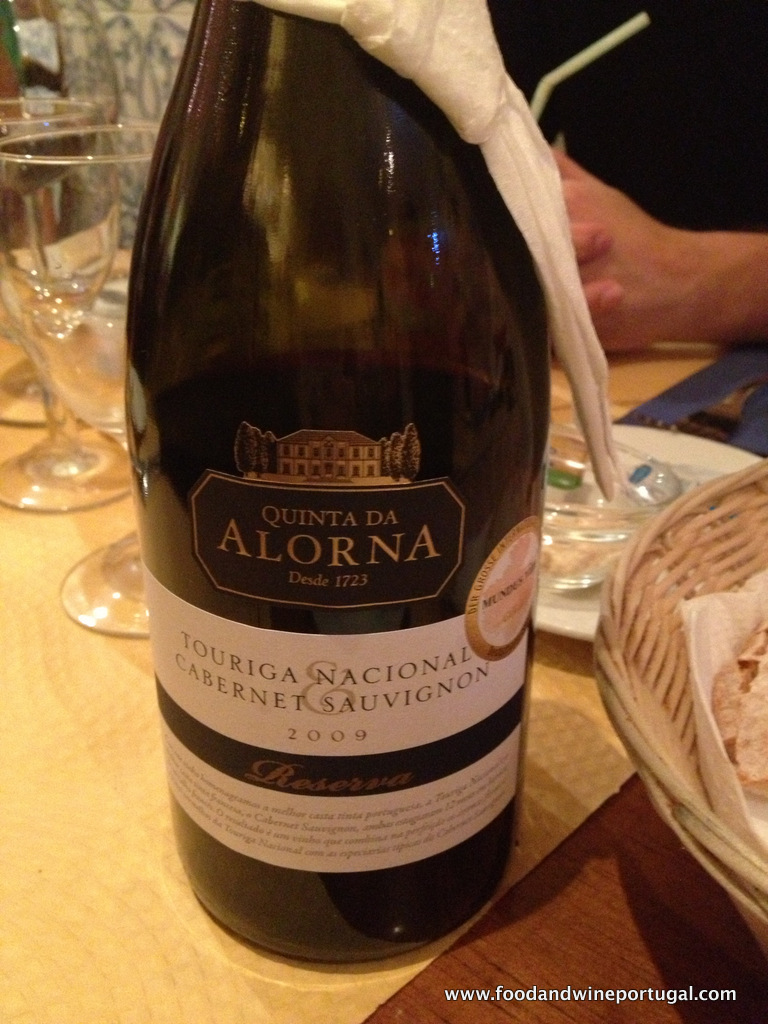
Red Wine Review – Tázem Reserva 2009
A family member was given two bottles of Tázem Reserva 2009 as a gift, so we opened one over Sunday dinner in order to test it out.
This is a red wine from the Adega Cooperativa de Vila Nova de Tázem. Adegas cooperativas can be found across Portugal – they are wineries where local growers take their grapes, which are then processed and turned into wine as a community effort.
The Tázem Reserva 2009 is a wonderfully rich, dark red colour and it tastes as good as it looks – full of deep, fruity flavour. Having opened the first bottle just to ‘try out’ this wine, we quickly succumbed to the temptation of the second. This is a great wine to drink with hearty red meats – we had it with roast beef, which was perfect.
This is a bit of a mystery wine – I can’t find it in my local supermarkets, which is a shame as I would definitely like to drink it again. It has certainly inspired me to investigate more wines from the Adega Cooperativa de Vila Nova de Tázem. The adega describes itself as open, knowledgeable and passionate about unique and spectacular wines. If the Tázem Reserva 2009 is anything to judge by, this approach is certainly paying dividends!
Portuguese Food on the Go – Ready Meals
The last week has been frantic. I took on a little more work than I could really manage, with the result that meals were delayed and skipped while I sat tapping away at my laptop. My plans to spend hours in the kitchen experimenting with Portuguese desserts had to be shelved, but the week was not entirely lost food-wise, as I got to try out a very different kind of Portuguese food – ready meals.
This was not the first time I’ve tried a Portuguese ready meal (arroz de pato was one of the first ones I tried), but for the most part I have actively avoided them since moving here, as one of the reasons behind our move was to achieve a more balanced and healthy diet, using fresh, local ingredients. This week, all that changed and we loaded up the shopping basket with a selection of ready meals from Continente’s Fácil e Bom chiller cabinet selection.
We began by comparing two of the lasagnes, which with their peel-off-film-and-stick-in-oven approach were perfect for a rushed dinner. The pork mince lasagne was not very exciting. There wasn’t anything wrong with it, but there wasn’t anything exciting about it either – it was just a bog-standard pasta dish that served the purpose of stopping me from being hungry. The chicken and leek lasagne, on the other hand, was very good. It was full of flavour and had a lovely rich, creamy sauce. It is something that I would be happy to have in the fridge to tuck into for lunch on busy days.
Our next item from the ready meal section was a vacuum-sealed packet of what appeared to be English sausage rolls. As sausage rolls are one of the foods we tend to crave from time to time, we couldn’t help but give them a try. They turned out to be at once similar and dissimilar to their English counterparts. The flaky pastry was beautifully golden, but the sausage meat inside had quite an intense smoky flavour, similar to farinheira, which is a Portuguese smoked sausage made from flour, pork fat and seasoning (and can be served as a kind of hot pâté – more on that some other time!). Although they sausage rolls were a little smoky for my taste, my husband very much enjoyed them dunked in mustard.
Another main meal that we tried was prawn feijoada (a kind of Portuguese bean stew that I recently learned to cook myself). This ready meal required plonking into a pan and sizzling it until it was hot – nice and easy to cook when you don’t have time to make a ‘proper’ dinner. The feijoada contained a generous helping of prawns, along with a few pieces of what seemed to be surimi, all mixed up in a pleasant-smelling beany sauce. As with the chicken and leek lasagne, the result was surprisingly good and again this is something that I would happily keep in the fridge as an emergency meal.
Our other discovery this week, which deserves a mention at this point, is Continente’s own brand frozen garlic bread slices. These individual little round baguette slices are loaded with butter and garlic and perfect to keep in the freezer to accompany a quick pasta meal. The fact that they are individual slices is perfect, as you don’t have to cook a whole baguette and then waste it if you can’t eat it all. One bag is big enough for three meals and at just €2.29 I think it’s safe to say that we will always keep some of these in the freezer from now on.
Of course I will still enjoy spending hours in the kitchen cooking delicious Portuguese food and my own freshly made garlic bread whenever I can, but it’s good to know that there are some decent and relatively inexpensive alternatives available for when time is short.
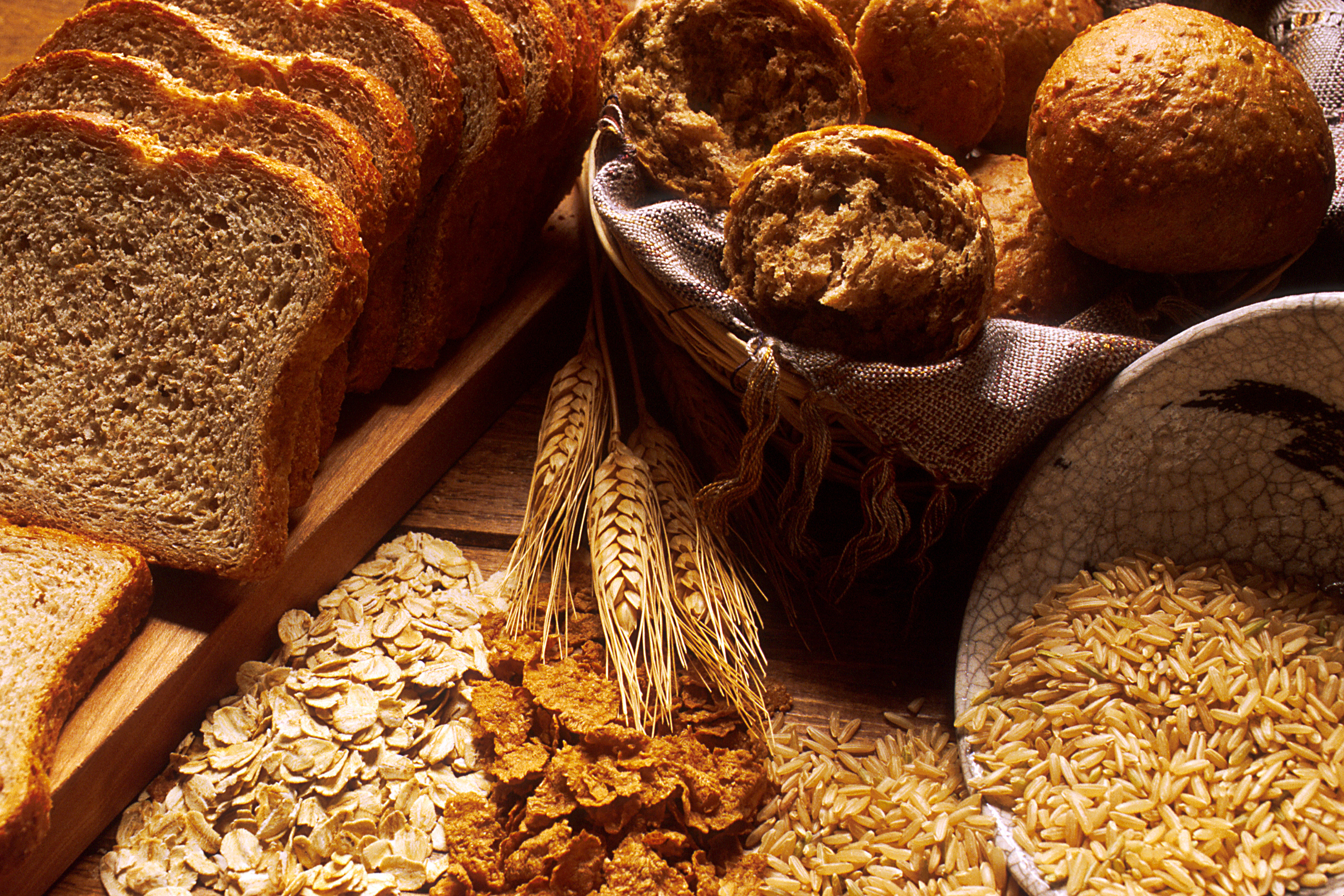
Portuguese Fresh Bread
Fresh bread is an important part of the Portuguese diet. It’s also something that I have become rather obsessed with since moving here.
The range of breads available in Portugal is enormous. Our local shop, which is equivalent in size to something like a Londis shop or Spar in England, bakes nine kinds of bread and rolls daily. It also sells two different sorts of loaves and three different kinds of rolls from nearby local bakeries. A small range of pre-packed sliced bread and burger buns is available too, but as they cost far more than the freshly baked bread and taste far less good, I’m not going to refer further to them in this article.
I’ve always loved bread. As a child one of my favourite snacks was a slice of bread dipped in salad cream, but it wasn’t until I moved to Portugal that I began to appreciate the variety of textures and flavours that fresh bread can provide.
Bread is particularly important to the Portuguese diet. It is cheap, filling and versatile. When it begins to go stale – and fresh bread here does tend to go stale pretty fast, usually within 24 hours of being baked – it is used to make dishes such as açorda, a thick, creamy bread-based stew.
Corn bread, soda bread, tiny cheesy rolls, dark rye bread, bread with grains on top, bread with fruit baked into it – the list of fresh breads in Portugal is seemingly endless. One of my favourites is pão com chouriço, little rolls with slices of chouriço baked into them. Pão com torresmos is equally good, but features torresmos (like soft pork scratchings) baked into the bread instead of the chouriço.
Another of my favourites is pão do céu – a light, almost cake-like bread. The version I prefer has a lovely delicate coconut undertone and is perfect eaten just on its own or smothered with a dark berry jam.
Such is the Portuguese love of bread that an enterprising chap in our village decided to sell it out of the back of a van. Every weekday he parks at the end of our road, puts a sign in the van window saying ‘pão quente’ (hot bread) and waits for customers. They come in droves, stopping on their way home from work to stock up on loaves, rolls and pão com chouriço still warm from the oven.
Portugal’s different regions all have their own styles and specialities of bread, so despite having lived here for over three years I still haven’t managed to sample it all. I’m going to try my best to do so over the coming years though, which no doubt will only serve to further my obsession with Portuguese fresh bread!
Image credits: Wikimedia